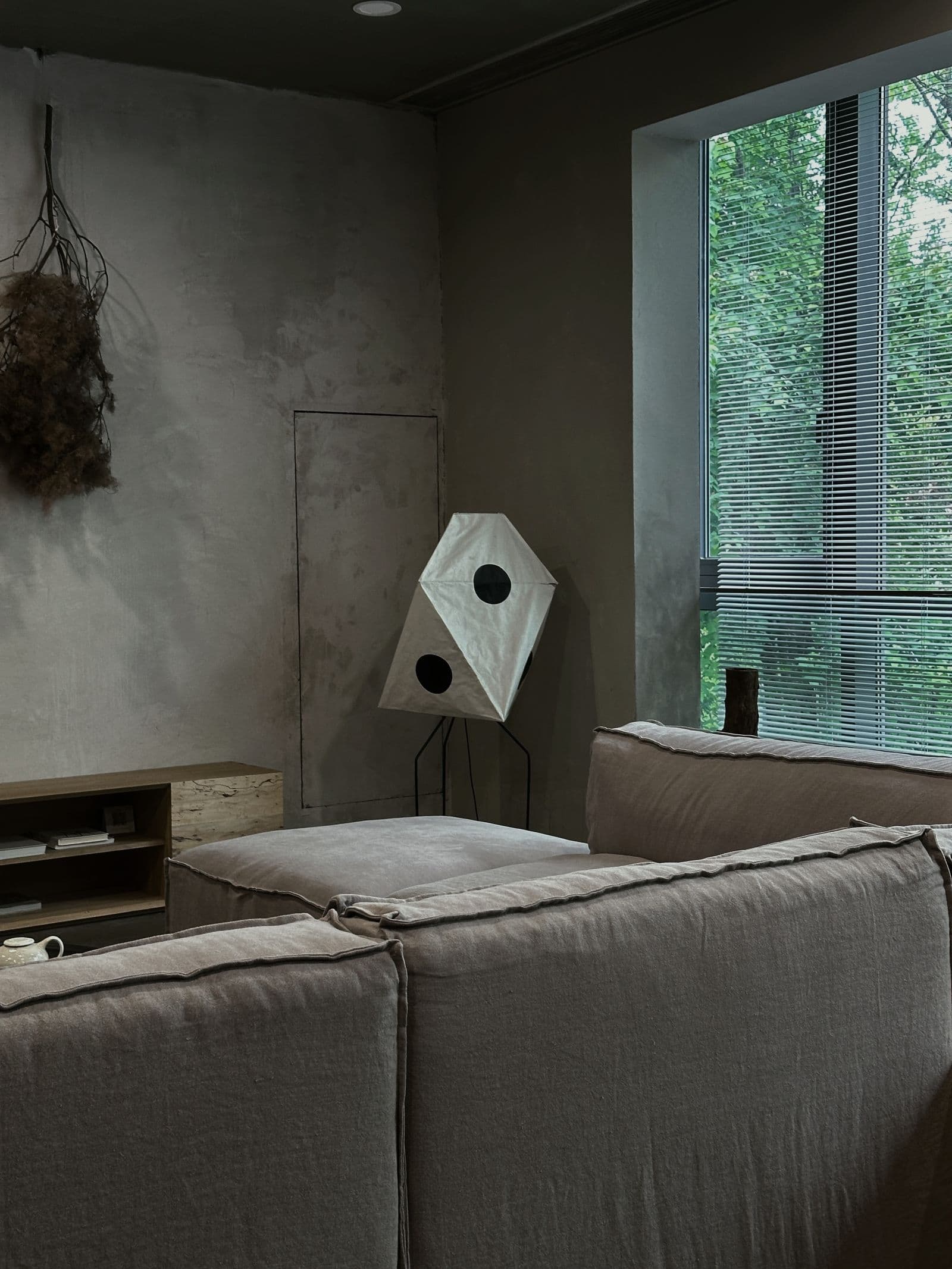
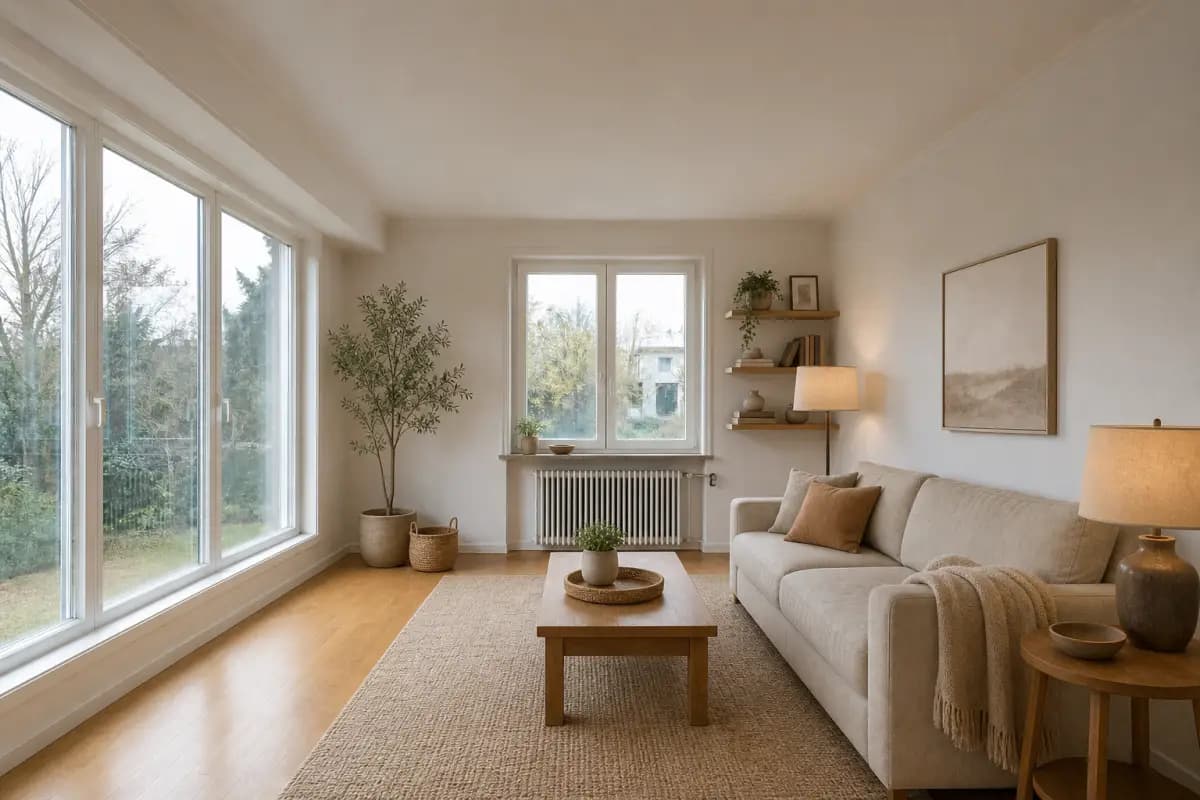
Um bom design de quarto pequeno a partir de uma foto começa pelo que você sente à noite: a passagem estreita, a cadeira cheia de roupas ou uma luz forte demais.
Este guia prioriza layout, armazenamento e iluminação antes de escolher uma estética específica.
Meça o caminho noturno
Start by tracing the route you use in low light: door to bed, bed to wardrobe and bed to bathroom. These are the foundation of useful bedroom layout ideas. Keep the most-used path simple. If the bed must sit close to a wall, make that a conscious trade-off and improve the other side with a clear surface and focused light.
Dê uma função ao armazenamento
Small rooms do not need more storage everywhere; they need the right storage near the right action. Put folded clothes where you dress, a hamper where clothes come off and books near the bed. Test small bedroom storage ideas that use height or hidden volume before adding another freestanding box.
| What feels difficult | Direction to test | Check before buying |
|---|---|---|
| The floor feels crowded | Raised bed or wall-mounted pieces | Cleaning access and load limits |
| Clothes collect on a chair | Closed wardrobe zone and hamper | Door swing and daily reach |
| The room feels dim | Layered bedside and ambient light | Switch locations and glare |
| The room never resets | Fewer open surfaces and defined homes | What you can realistically maintain |
Crie camadas de luz
Use one light for moving around, one warm source for reading and a softer ambient source for the last part of the evening. A small room often feels larger when the eye can rest in a few pools of light instead of one bright ceiling fixture.
Mantenha uma paleta calma
A quiet palette does not have to mean an all-beige room. Repeat two or three close tones across the wall, bedding and storage, then let texture provide interest. If your current floor or wardrobe must stay, use it as the anchor instead of designing around an imaginary replacement. Browse related bedroom templates only after the layout feels workable.
Compare antes de decidir
Create one layout that prioritizes an open floor, one that prioritizes storage and one that prioritizes a generous bed. Keep the same photo while changing only the trade-off. This makes the decision visible and gives you a better conversation with anyone who shares the room. When you are ready to compare your own room, open the photo design workspace.
Facilite a organização
- Give the three items you handle most a home within arm's reach.
- Keep one surface intentionally empty for the end of the day.
- Use a basket or drawer for temporary items instead of a chair.
- Review the layout after a week and remove what you do not use.
Perguntas frequentes
Can I plan a small bedroom from one photo?
Yes, a photo can reveal layout relationships and suggest directions. Measure the room and furniture before making a purchase.
Where should the bed go in a small bedroom?
Prioritize a clear route to the door and storage, then choose the placement that gives you the most comfortable daily access.
How do I add storage without making the room feel full?
Use vertical or closed storage, keep one visual line quiet and give each high-frequency item a nearby home.
What lighting is best for a bedroom?
Combine gentle ambient light with a focused bedside source and a separate light for moving around safely.
Is Japandi the same as small bedroom design?
No. Japandi is a style direction; small-bedroom planning is about circulation, storage and daily use. They can work together.
How many bedroom layouts should I compare?
Two or three focused options are enough. Change the main trade-off rather than generating many near-identical images.
The most comfortable small bedrooms are organized around real routines. Use a photo to compare the route, storage and lighting first; then choose the palette and details that make the practical solution feel calm. A thoughtful bedroom makeover does not need a larger room to make it easier to live in.