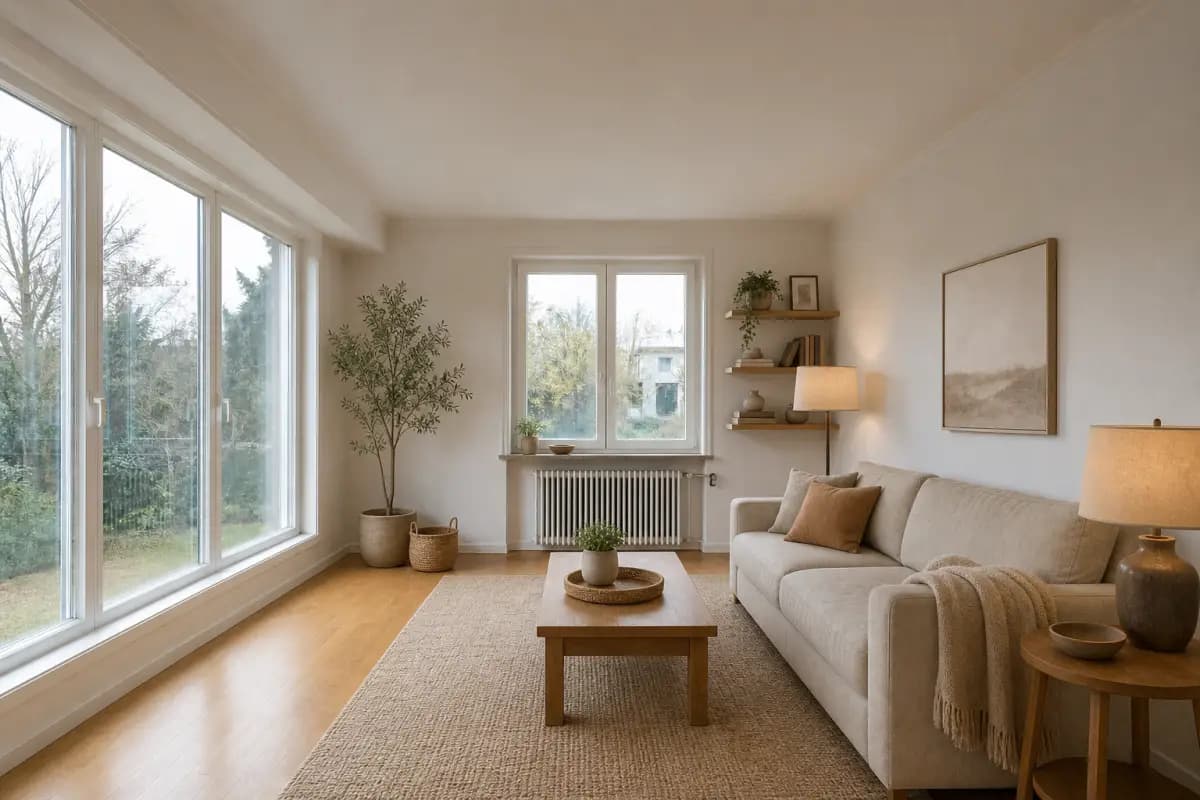
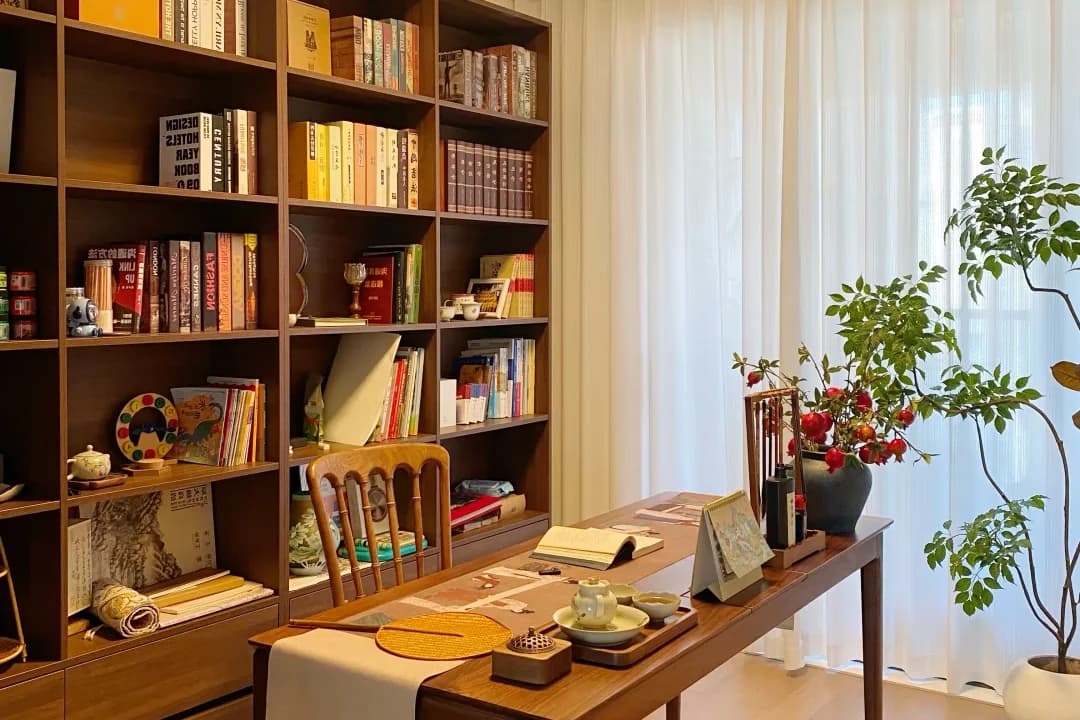
The best office design decisions are often quiet ones: leaving the window useful, keeping furniture below the eye line and choosing a palette that can carry a full day of work. These changes make a room feel larger without asking it to become a showroom.
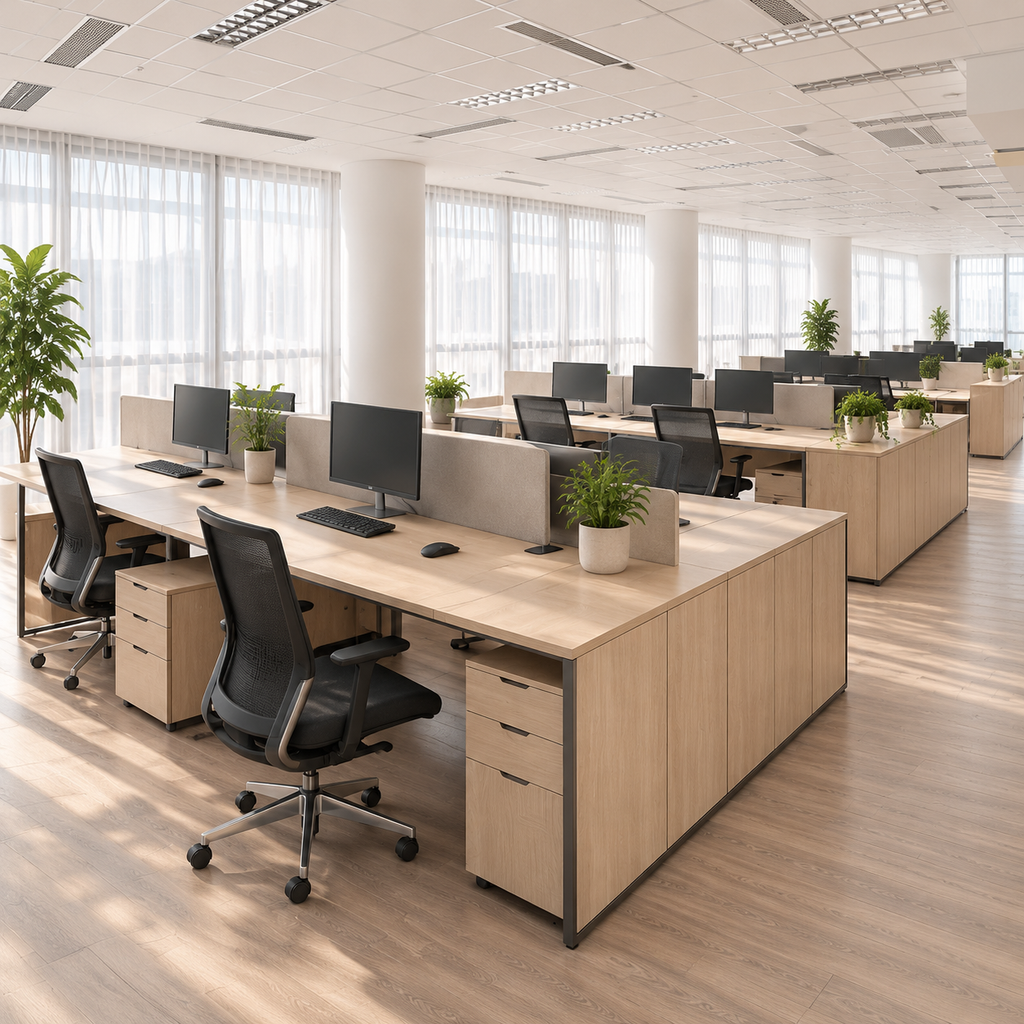
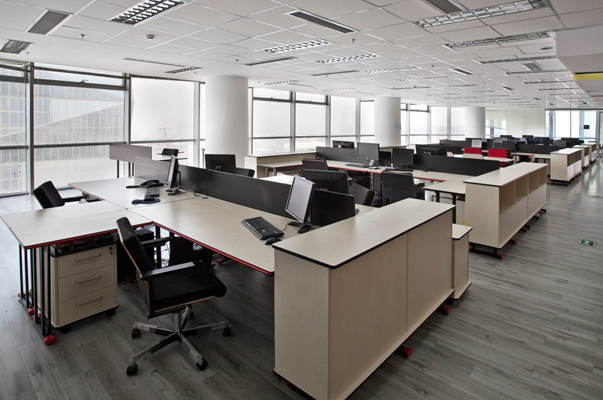
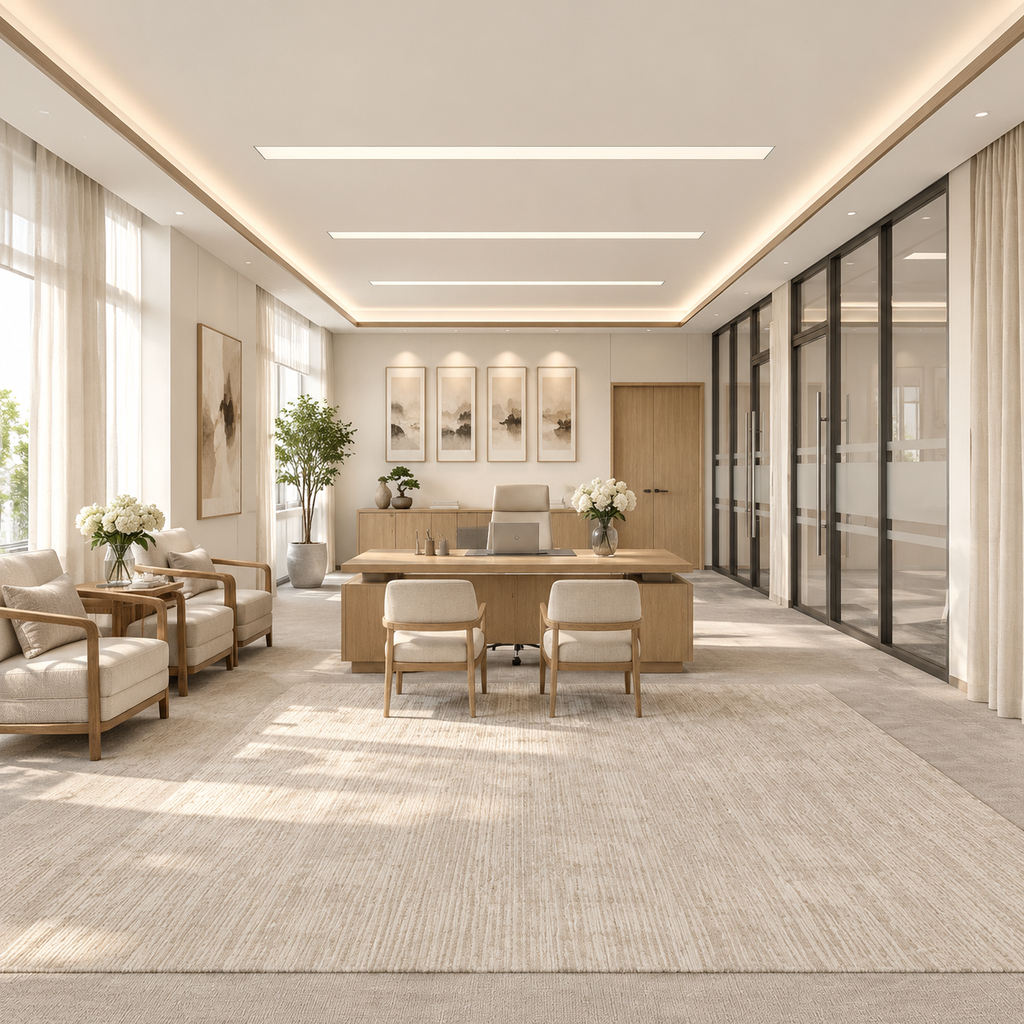
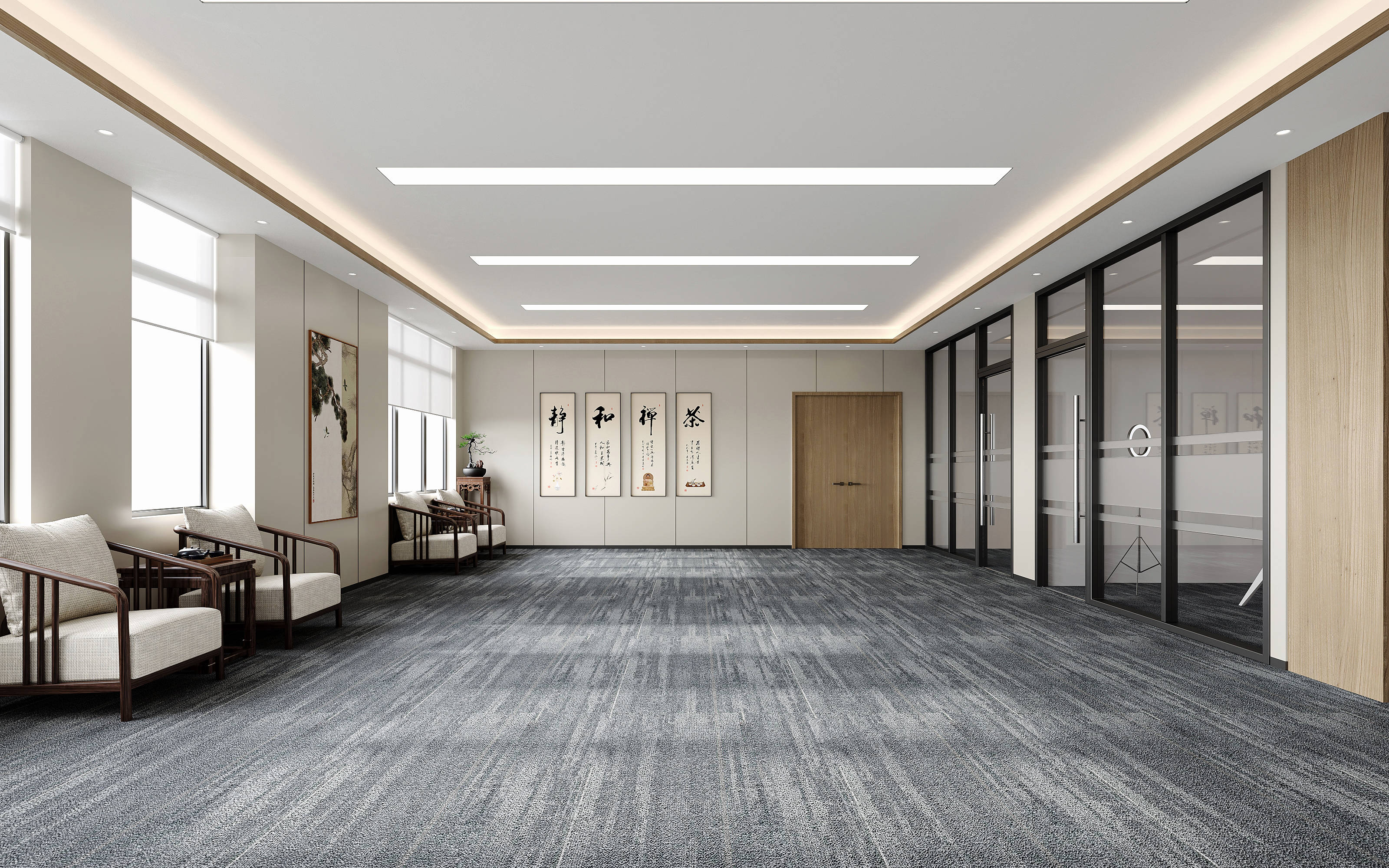
The interactive study below uses two real office photos and two AI-generated directions. Drag the comparison handle, then read the three principles behind the changes. The images are a visual reference, not a measured construction plan.
Three moves that make brightness practical
Scroll through the sequence to see daylight, sightlines and materials open up the office together. Drag the handle to compare each source photo with its generated direction.
Let daylight own the main sightline
Keep tall storage away from the window. Sheer fabric and low desks let light travel through the work zone, so brightness comes from depth rather than harsher lamps.
Use a low, continuous furniture line
Align desks, storage and circulation on one clear horizontal line. The room stays focused while seated and open when you move through it.
Let pale materials reflect and plants pause the eye
Warm white, pale timber and a low-saturation green create layered brightness. Use darker notes only to mark an edge, so the room keeps its depth.
1. Make daylight the main light source
Start with the side of the room that receives daylight. Keep tall storage and dense shelving away from the glass, hang curtains wider than the window and use a desk surface that does not create glare. A warm, dimmable task light can support the afternoon, but it should not compete with the window during the day.
2. Protect a clear visual path
A spacious office is easier to use when the route from the door to the window stays legible. Choose low furniture, align repeated pieces on one horizontal line and leave a real pull-out zone behind every chair. This improves circulation and makes the floor read as one continuous surface.
3. Use pale materials with measured contrast
Warm white walls and pale timber reflect light without the sterile feeling of a high-gloss white room. Add contrast through linen, matte metal and one or two muted plants. Darker notes work best as small anchors—a lamp, frame or chair leg—rather than a full feature wall.
| Pressure in the room | Direction to test | Reality check |
|---|---|---|
| The window feels blocked | Lower storage and sheer curtains | Glare, privacy and radiator clearance |
| The desk area feels crowded | One continuous low furniture line | Chair pull-out and cable routes |
| The palette feels flat | Warm white, pale timber and muted green | Samples in morning and evening light |
Turn the three ideas into a useful design brief
- Photograph the room from the widest comfortable corner, with the window and door visible.
- Name what must remain: desk, flooring, built-in storage, radiators or equipment.
- Ask for one change at a time so daylight, layout and materials can be judged separately.
- Measure the preferred direction before ordering furniture or lighting.
よくある質問
How can I make an office look brighter without changing the window?
Keep tall furniture away from the glass, use a light matte palette, hang sheers outside the window edges and layer a warm task light for darker hours.
What furniture makes an office feel more spacious?
Low-profile desks, raised-leg pieces and storage that follows one clear line keep more floor and sightline visible.
Can an AI office design image replace measurements?
No. It is useful for comparing mood, materials and layout priorities. Verify dimensions, clearances, outlets and ergonomics in the actual room.
What colours work for a bright home office?
Warm white, pale timber and muted greens are a flexible starting point. Test physical samples in the room's morning and evening light.
A spacious, bright office comes from a sequence of decisions rather than one dramatic makeover: protect the daylight, keep the path open and let materials reflect softly. Start with your own photo, compare a focused direction and then bring the winning details back to real measurements.